What Is Cocopeat? A Complete Guide to Uses, Benefits and Buying from a Trusted Cocopeat Manufacturer in Bangalore
Healthy plants start with healthy roots, and healthy roots need the right growing medium. Across nurseries, polyhouses, hydroponic farms and home gardens, more growers are replacing traditional soil mixes and peat moss with cocopeat, a natural, renewable material made from coconut husks.
At MoreYields, a cocopeat manufacturer and exporter based in Bangalore, we turn coconut husk into high-quality growing media for farmers and horticulture businesses in India and abroad. This guide covers what cocopeat is, how it’s made, its benefits, and how to choose the right product for your crop.
What Is Cocopeat?
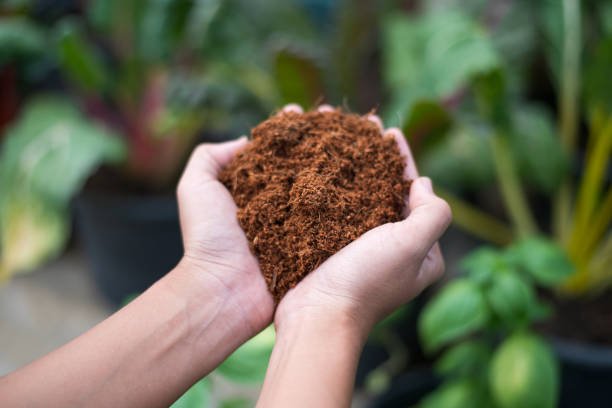
Cocopeat, also called coir pith or coco peat, is the spongy, fibrous material left over when coir fibre is extracted from coconut husks. It was once treated as waste. Today it is one of the most widely used soilless growing media in the world.
Cocopeat holds water extremely well, stays light and airy, and gives roots room to breathe. These qualities make it a strong fit for seed germination, nursery raising, hydroponics and container gardening.
How Is Cocopeat Made?
Good cocopeat depends on careful processing. At MoreYields, the process follows these stages:
Collecting husks from coconut-growing regions.
Extracting the fibre, which separates the coir from the pith.
Sieving the pith to remove coarse particles and impurities.
Washing to bring down natural salt levels (EC).
Buffering (optional), which treats the pith so it doesn’t lock up essential nutrients like calcium and magnesium.
Sun-drying to the right moisture level.
Compressing into blocks, bricks, discs or grow bags for easy storage and shipping.
Each step affects how the product performs in the field. Poorly washed cocopeat can harm sensitive crops, so quality control matters.
Key Benefits of Cocopeat for Plants
- Excellent Water Retention
Cocopeat can hold many times its own weight in water. This means less frequent irrigation and less water wasted, which is valuable in dry regions.
- Better Aeration for Roots
Even when wet, cocopeat keeps a loose, porous structure. Roots get the oxygen they need, which lowers the risk of root rot.
- Neutral to Slightly Acidic pH
Cocopeat generally has a pH that suits most vegetables, flowers and fruit crops.
- Eco-Friendly and Renewable
Peat moss is harvested from bogs that take centuries to form. Cocopeat comes from coconut husks, a by-product that renews every harvest. It is biodegradable and can be reused or composted.
- Clean and Easy to Handle
Compressed cocopeat is lightweight, compact and expands when water is added. This makes it cheaper to transport and simple to store.
- Ideal for Hydroponics and Soilless Farming
Cocopeat is inert and consistent, so growers can control nutrition precisely through fertigation.
Common Uses of Cocopeat
Nurseries and seedling trays: Fine cocopeat supports strong, even germination.
Polyhouse and greenhouse farming: Grow bags are used for tomatoes, capsicum, cucumbers and strawberries.
Hydroponics: Cocopeat serves as a stable root medium in soilless systems.
Home and terrace gardening: It can be mixed with soil and compost to make potting mixes lighter and more water-efficient.
Landscaping and lawns: It improves soil structure and moisture retention.
Mushroom cultivation: It is used as a casing material.
Types of Cocopeat Products
Different crops and setups need different formats. MoreYields offers a range of cocopeat and coir products:
Cocopeat blocks (5 kg): High-compression blocks for bulk use and export.
Cocopeat bricks (650 g): Convenient for home gardeners and small nurseries.
Coco discs / pellets: Ready-to-use units for seed starting.
Grow bags: Pre-filled bags for greenhouse and hydroponic crops.
Low-EC and buffered cocopeat: For sensitive crops and professional growers.
Coir fibre products: For erosion control, mattresses, ropes and more.
(Update this list to match your actual product range before publishing.)
How to Use Compressed Cocopeat Blocks
Place the block in a large tub or container.
Add water gradually. The block will expand to several times its size.
Let it soak for 15–30 minutes and break up any lumps by hand.
Squeeze out excess water until the cocopeat is moist but not dripping.
Use it alone or mix it with compost, perlite or soil, depending on your crop.
Tip: For long-term crops, add a balanced fertilizer. Cocopeat supports roots well but contains few nutrients on its own.
How to Choose a Good Cocopeat Supplier
Not all cocopeat is the same. Before buying, check the following:
EC (salt level): Low EC is essential for seedlings and sensitive crops.
Washing and buffering: Ask whether the product has been washed and buffered.
Particle size: Fine grades suit germination. Coarser or chip blends suit grow bags.
Compression and moisture: Consistent blocks expand evenly and store well.
Export experience: For international orders, work with a supplier who understands packaging and documentation.
Why Choose MoreYields?
MoreYields was built on a simple idea: “From the Earth, Back to the Earth.” We believe the best growing media should come from nature and return to it without harm.
Manufacturer and exporter of cocopeat and coconut coir products
Based in Bangalore, Karnataka, serving farmers and businesses across India and overseas
Focused on consistent quality, clean processing and reliable supply
Custom sizes, grades and packaging available on request
Frequently Asked Questions (FAQ)
Is cocopeat better than soil?
Cocopeat offers better water retention and aeration than most soils and is free of weeds. However, it has few nutrients on its own, so it works best mixed with compost or used with fertigation.
Can cocopeat be reused?
Yes. Used cocopeat can be sterilized and reused for a few crop cycles, or added to compost.
What is buffered cocopeat?
Buffered cocopeat is treated so it doesn’t absorb calcium and magnesium from your fertilizer. This keeps nutrients available to the plant.
How much does one 5 kg cocopeat block expand to?
A 5 kg block typically expands to many litres of loose growing medium, depending on grade and compression. Contact us for exact expansion figures for each product.
Do you export cocopeat outside India?
Yes. MoreYields supplies cocopeat and coir products for export. Reach out with your requirements.
Get in Touch with MoreYields
Looking for a reliable cocopeat manufacturer in Bangalore for your farm, nursery or export business? Contact us for pricing, samples and bulk orders.
📞 Phone: +91 6361-701971 / +91 9845-645111 / +91 8431-511875
💬 WhatsApp: +91 9845-645111
✉️ Email: sales@moreyields.com
📍 Address: No. 360, DHI Innovations Park, Arekere, Bannerghatta Road, Bangalore – 560076
MoreYields is powered by Bhargo Energy Ventures (OPC) Private Limited.